

A self-storage unit and a fine art storage facility look similar from the loading dock. They are not the same thing. One holds boxes at whatever temperature the season delivers. The other holds your collection at stable humidity, behind real security, with every piece documented.
Art storage in NYC exists for the gaps collectors hit constantly: a renovation, a gallery transition, a between-residences hold, an estate being settled, or simply more art than wall. The wrong facility does slow, invisible damage, a panel that cracks or a frame that warps, and you don't notice until you pull the piece out months later.
This guide walks through what actually matters in a fine art storage facility: climate, security, fire suppression, inventory and condition reports, access, and insurance, plus the exact questions to ask before you hand anything over.
What Makes Fine Art Storage Different
Fine art storage is climate-controlled, security-hardened, fully inventoried storage built specifically for artwork, not a metal self-storage unit with a thermostat. The difference is stability, documentation, and handling.
A self-storage unit fluctuates with the weather, has no record of what's inside, and lets anyone with a code roll a dolly past your door. Fine art storage holds a narrow climate band year-round, logs every piece with photographs, and controls who touches what. For anything above modest value, that gap is the whole ballgame.
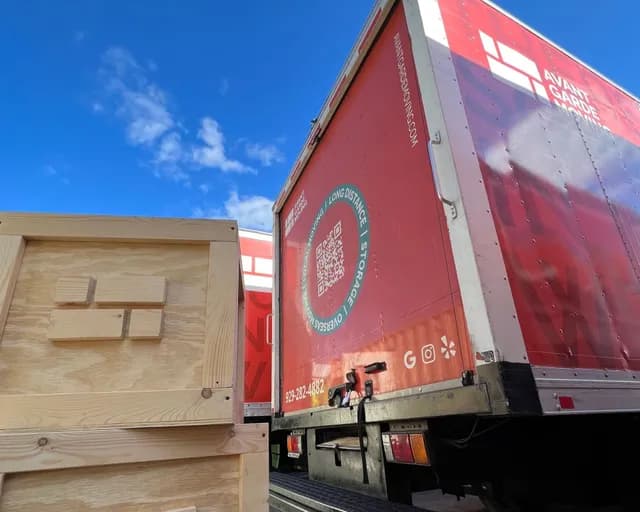
Avant-Garde Moving offers climate-controlled holding through our fine art storage service, built for exactly these situations, alongside our general storage service for everything else. Knowing which one your collection needs starts with the criteria below.
Climate and Humidity: The Numbers That Matter
Art is destroyed slowly by air far more often than it's destroyed suddenly by impact. Climate is the first thing to vet.
Wood panels, stretched canvases, paper works, and historic frames all expand and contract with humidity. Swing the moisture and you get cracking, warping, lifting paint, and foxing on paper. The targets a serious facility holds:
- Relative humidity: a stable band around 45-55%, held year-round.
- Temperature: a steady range, commonly around 65-70°F, without sharp daily swings.
- Stability over absolute number: a facility that drifts between extremes is worse than one that sits a few points off but never moves.
Ask how the facility maintains those numbers, not just what it targets. The follow-ups that separate real climate control from a marketing claim:
- Is the climate system on backup power if the grid drops?
- Is humidity monitored continuously and logged?
- Is the whole facility conditioned, or just certain rooms?
NYC makes this concrete. A pre-war building runs humid in July and bone-dry in January once the radiators kick on. A facility that doesn't actively fight both ends of that swing isn't protecting your collection. It's just sheltering it from rain. We dig deeper into climate in our guide on how to move fine art in NYC.
Security: Who Can Reach Your Collection
Climate keeps art from quietly degrading. Security keeps it from disappearing.
A fine art storage facility should treat your collection like a vault, not a garage. Look for layered protection:
- 24/7 monitored alarm systems and motion detection.
- Video surveillance covering entrances, corridors, and storage areas.
- Controlled access: staff escort, logged entry, and no anonymous roll-up access to your pieces.
- Restricted, vetted personnel who actually handle the art.
- Discreet location and signage. Good art storage doesn't advertise what's inside.
The single best question here: Who can physically reach my pieces, and is every access logged? In a real facility, the answer is "a short list of vetted staff, and yes, every time." If it sounds like a self-storage gate code, keep looking.
Fire Suppression and Environmental Protection
Sprinklers protect buildings. The wrong sprinklers destroy art. This is a detail collectors miss until it's too late.
Ask specifically what fire suppression the facility uses:
- Standard wet sprinklers can soak and ruin paintings and paper even when they stop a fire, trading fire damage for water damage.
- Pre-action or dry systems hold water out of the pipes until a fire is genuinely confirmed, reducing the risk of an accidental discharge flooding your collection.
- Clean-agent or gas suppression in dedicated art vaults suppresses fire without water at all, the gold standard for high-value rooms.
Round it out with smoke and heat detection, water-leak sensors, and a documented emergency plan. A facility that can't tell you what suppression protects your room hasn't thought about your art.
Inventory and Condition Reports
If a facility can't tell you exactly what it's holding and what shape it's in, it isn't storing fine art. It's stacking it.
Proper documentation is non-negotiable for collections:
- Itemized inventory with a unique ID for every piece.
- Photographs of each work on intake: front, back, edges, and any existing condition issues.
- Condition reports that establish a baseline so any later change is provable, not a he-said dispute.
- Location tracking so any piece can be pulled without disturbing the rest.
- Logged intake and release with signatures every time a work enters or leaves.
This is the same condition-report discipline that protects you during the move, carried through into storage, and it's what lets your insurer and any future appraiser trust the record. Pair it with our take on storage vs. moving everything in NYC if you're still deciding how much to store.
Access, Handling, and Logistics
Storage isn't a one-way trip. You'll want pieces back, sometimes one at a time and sometimes for a viewing. Questions worth asking before you commit:
- How much notice do you need to retrieve a piece, and is same-week access realistic?
- Who handles the art on intake and release, trained art handlers or warehouse labor?
- Is there a private viewing room if I want to see or show a work without fully removing it?
- Do you crate, transport, and install from storage, or only hold?
- How are crates and pieces moved within the facility: padded, tracked, no stacking on fragile faces?
The advantage of a mover that also stores is continuity. The team that crated and transported your art is the team that holds it and brings it back, with no handoff, no second company, and no gap in the chain of custody. Our fine art movers and custom crating feed directly into storage, so a renovation gap or gallery transition is one coordinated job, not three vendors.
Insurance: Confirm It in Writing
The gap that burns collectors is assuming the facility's coverage protects their art. It usually doesn't, at least not at value.
Before storing anything valuable, confirm:
- What the facility's own liability covers, and the per-item cap, which is often far below a single high-value work.
- Whether your own policy extends to off-site storage. Many homeowners and fine art policies don't automatically cover art at a third-party facility; you may need to add the location in writing.
- Whether temporary or transitional storage is covered during a move. This is one of the most common blind spots.
- That appraisals are current, since insurers often require a recent valuation for high-value pieces.
A short call to your insurer before intake prevents a long claim dispute later. Our NYC moving insurance guide explains the difference between a facility's liability and real coverage. Read it before you sign.
Frequently Asked Questions
How much does fine art storage cost in NYC?
Expect climate-controlled fine art storage to run as a monthly fee scaled to space and value, typically with a one-time intake fee for condition reporting and handling. It costs more than self-storage because you're paying for climate stability, security, documentation, and trained handlers, not just square footage. Get a quote based on your actual collection.
Is climate-controlled storage really necessary for art?
For anything above modest value, yes. Paintings on panel or canvas, works on paper, and antique frames all react to humidity swings with cracking, warping, and foxing. A standard unit that tracks NYC's seasonal extremes does slow, cumulative damage you won't notice until you unpack months later.
What humidity level is best for storing art?
Most conservators target a stable relative humidity around 45-55% with a steady temperature near 65-70°F. Stability matters more than hitting an exact number. A facility that holds a consistent band protects art far better than one that swings between damp summers and dry, radiator-heated winters.
Can I access my art whenever I want?
In a real facility, yes, with notice. Ask how much lead time retrieval needs, whether trained handlers pull the piece, and whether there's a private viewing room. Unlike a self-storage gate code, fine art access is logged and handled, which is the point.
Should I crate art before putting it in storage?
For high-value, large, or fragile pieces going into longer-term storage, yes. A custom crate adds a stable microclimate buffer and protects against handling within the facility. Smaller, sturdy works can sometimes be soft-packed and racked. A storage provider that also crates can advise piece by piece.
Bottom Line
Fine art storage in NYC comes down to five things you can verify by asking: a stable 45-55% humidity climate held year-round, layered 24/7 security with logged access, art-safe fire suppression, full inventory and condition documentation, and insurance confirmed in writing, yours and theirs. A metal self-storage unit checks none of those boxes. The right facility checks all of them, and the team that moved and crated your collection holding it too means no gaps in the chain of custody.
Ready to store your collection the right way? Get your free quote from Avant-Garde Moving: climate-controlled fine art storage, trained handlers, and full documentation, with crating, transport, and installation all under one roof across NYC and the surrounding area.