

Tens of thousands of New Yorkers move to New Jersey every year. Many keep their jobs in the city, keep their social lives in the city, and just change their mailing address and monthly costs.
This guide walks through what really changes when someone moves from NYC to New Jersey: cost of living, commute, lifestyle, and the actual moving process. It is written for people who love New York, but need more space, better schools, or a different pace without moving far.
Why New Yorkers Move to New Jersey
The draw is simple: more space for less money, while staying close to Manhattan. According to one national mover, over 75,000 people crossed from NYC to New Jersey in a recent year, and that trend keeps growing.
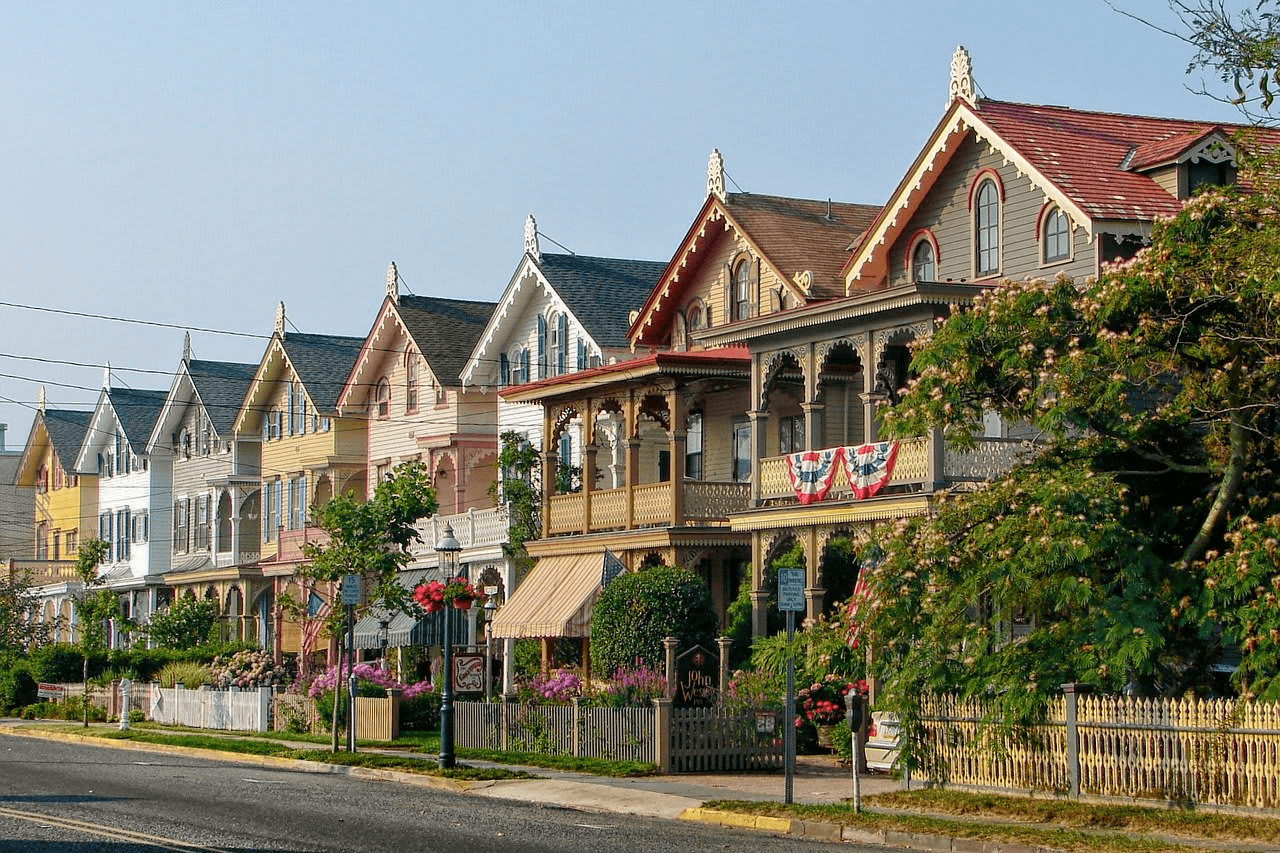
New Jersey offers a wide range of options. Hoboken and Jersey City feel like an extension of downtown Manhattan, with high-rises, walkable streets, and easy PATH access. Towns like Montclair, Maplewood, Summit, and Ridgewood offer tree-lined streets, yards, and strong school districts.
Cost of Living: What Really Changes
The headline: many people pay less each month in New Jersey, but the details matter.
Rent and home prices often drop once someone crosses the river, especially outside Jersey City and Hoboken. That can mean an extra bedroom, a home office, or a backyard for roughly the same payment a small NYC apartment used to cost.
Property taxes are higher in many New Jersey towns, which can surprise new homeowners. This is one reason it helps to do a full budget comparison before signing a lease or buying a house.
Daily costs also shift. Groceries, gas, and parking often cost less. Dining out can be cheaper, though anyone staying close to the PATH or waterfront will still see New York level prices at many places.
If storage or moving costs in NYC were already high, shifting more items into a New Jersey home can sometimes remove the need for extra storage. For readers still comparing options, we explain New York storage choices and costs in our storage vs moving everything breakdown.
Commute and Transit: PATH, Trains, and Driving
For many New Yorkers, the commute is the deal-breaker or the deal-maker.
The PATH connects Hoboken, Jersey City, and a few other points directly to Manhattan. For people who work downtown or near Herald Square, the PATH often feels almost as easy as a subway. NJ Transit trains from towns like Montclair, Maplewood, South Orange, and Summit run into Penn Station or Hoboken, with connections to the PATH or ferries.
Anyone who drives should expect tolls, traffic at the tunnels and bridges, and parking costs near the office. Even with those, some commuters still save money compared with living in Manhattan or Brooklyn.
Timing the move can help. We walk through seasons, pricing swings, and availability patterns in our guide on the best time to move in NYC, which also applies to moves that start or end in the city but cross into New Jersey.
Choosing a New Jersey Town or City
"New Jersey" is not one single lifestyle. Someone can go from a high-rise in Jersey City to a 1920s colonial in Montclair to a quiet cul-de-sac in Basking Ridge and feel like they visited three different states.
Here are common profiles New Yorkers look for:
Urban and walkable: Hoboken and downtown Jersey City work well for people who still want bars, restaurants, and quick transit into Manhattan.
Transit-focused suburbs: Towns along NJ Transit lines like Montclair, Maplewood, South Orange, Summit, and Westfield give access to express trains plus main streets with coffee shops and parks.
More space and quieter streets: Farther out towns often offer larger lots, more privacy, and lower home prices, in exchange for longer commute times.
Anyone considering a move from a Brooklyn or Manhattan apartment to a suburban house will find useful cost and lifestyle comparisons in our guide to moving from NYC to the suburbs. While it covers several states, the thinking process matches a New York to New Jersey decision.
Planning the Move from NYC to New Jersey
Once the decision is made, planning the move is where stress can spike. Building rules, parking limits, and elevator reservations can get messy on the New York side if someone is not ready.
We walk through permits, Certificates of Insurance, and common building rules in our NYC moving regulations guide. Even if the New Jersey destination is more relaxed, the New York departure usually is not.
Working with a mover that knows NYC building policies helps prevent last-minute problems. Our local moving service team handles daily jobs in Manhattan, Brooklyn, Queens, and the Bronx, so we already know what most supers and building managers expect.
Packing is another major project. New Jersey moves are close, but they still involve trucks, stairs, and plenty of risk for breakage. For people with limited time, we handle this through our professional packing and unpacking services, which can include full packing, partial packing, or just help with fragile items.
Families, Pets, and Special Items
Moves to New Jersey are very common for growing families. Parents often want more space, quieter streets, and school districts that match their priorities. The actual move, though, can be hard on kids.
We share detailed, age-specific strategies in our guide to moving with children. That article covers how to prepare kids for the change, what to pack in an "open first" box, and how to set up the new home so they feel settled faster.
Pets need their own plan. Dogs and cats might get stressed by long elevator waits, truck noise, or a crowded loading area. Our moving with pets guide walks through vet visits, ID tags, and how to keep pets safe on moving day and during the first days in a new neighborhood.
New Jersey moves also often include pianos, artwork, and antiques that finally have room to breathe. We protect these through our fine art moving services, which focus on custom packing, climate concerns, and careful loading and unloading.
Short-Term Storage and Staggered Moves
Not everyone moves straight from one home into another. Some people sell an apartment in Brooklyn or Manhattan first, stay in a short-term rental, and then close on a New Jersey house later.
When closing dates and move-in dates do not match, short-term storage can save a lot of stress. Our team provides secure storage for furniture and boxes through our New York storage services, and we coordinate drop-off in New Jersey once the new place is ready.
For readers still exploring the timing around buying and selling, a good overview is our article on moving before or after a house closing. It helps people line up legal, financial, and moving schedules so they are not rushing at the last second.
How a NYC to New Jersey Move Actually Feels on Moving Day
Even with a short distance, the day itself can be long. A typical NYC to New Jersey move might look like this:
- Early arrival, walk-through, and furniture protection in the NYC apartment
- Disassembly of beds and large items
- Elevator or stair runs, plus hallway padding if required by the building
- Loading the truck, travel across the river, and a short stop for tolls or fuel
- Unloading at the New Jersey home, with floor and railing protection
- Reassembly of beds and basic setup so the first night is comfortable
Anyone facing winter weather should plan extra time for snow and ice. Our winter moving guide covers how we protect floors, boxes, and furniture when temperatures drop.
Pros and Cons of Moving from NYC to New Jersey
No move is perfect. New Jersey will not feel like Manhattan, and that is both the appeal and the tradeoff.
Here is a balanced look at common pros and cons New Yorkers report:
Pros:
- More space, often for less money
- Access to yards, parks, and quieter streets
- Strong school options in many towns
- Easy access back to NYC by train, PATH, ferry, or car
Cons:
- Higher property taxes in many areas
- Longer commutes, especially from outer suburbs
- Fewer late-night options in many towns
- A period of adjustment away from New York energy
For some, the trade is perfect. For others, the first months feel strange. That is normal. Most people find a rhythm once they build new routines, meet neighbors, and learn where to shop, eat, and relax.
Working with a Mover Who Knows Both Sides of the River
A move from NYC to New Jersey is not just about putting things on a truck. It involves city building rules, timing around rush hour, and careful planning for both the pickup and the drop-off.
Our NYC-based moving company handles local and nearby interstate moves every day, including many jobs across the Hudson. We plan the route, confirm building needs, and offer white glove service when clients want extra care for fragile or high-value items. For readers who want that level of support, we explain what is included in our white glove moving services overview.
New Jersey will not replace New York. It is a different lifestyle, with its own benefits and quirks. For many New Yorkers, though, it is the right next step: close enough to keep a foot in the city, far enough to breathe a little easier at the end of the day.
Ready to Make the Move?
Moving from NYC to New Jersey is one of the most common relocations we handle. Whether you're moving to Jersey City, Hoboken, or the suburbs, our team knows both sides of the river.
Contact us today for a free quote and let us help you plan a smooth transition across the Hudson.

