
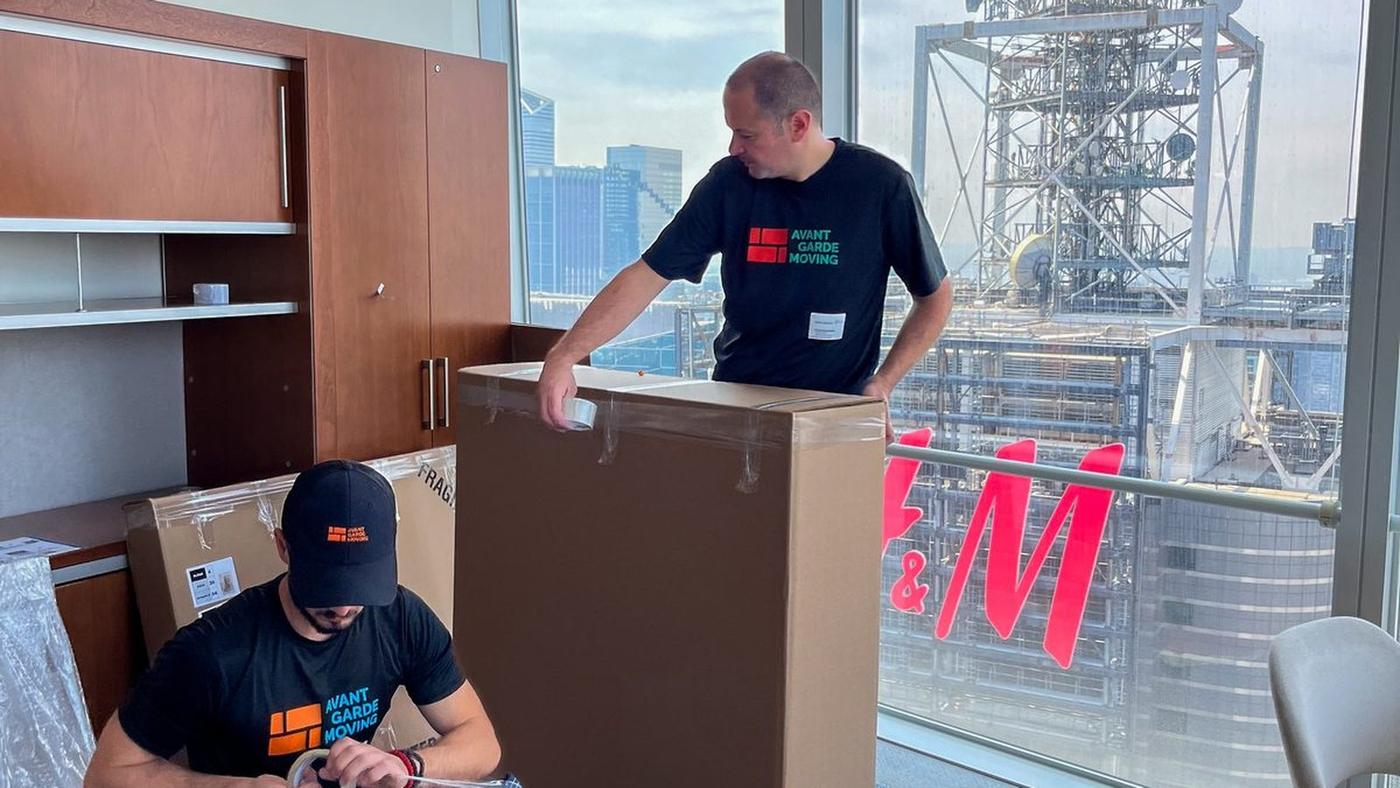

For years the rule was simple. Manhattan was expensive, and Brooklyn was where you went to save money. In 2026 that rule only half works.
Brooklyn is still cheaper on average. But the gap is narrow, the taxes are exactly the same, and the Brooklyn neighborhoods most people have in mind are not the cheap ones. What really changes is the kind of home you get and how long you ride the train.
This guide compares the two boroughs with current, sourced numbers, then covers what the move looks like on each side.
The Short Answer
Yes, Brooklyn is cheaper than Manhattan, but mostly on housing, and by less than it used to be. In September 2026, the median rent on a new lease was about $4,000 in Brooklyn and $4,900 in Manhattan, according to appraiser Jonathan Miller's monthly report. A dollar buys roughly 50% more space in Brooklyn if you are buying. Income tax, the subway fare and most daily costs are the same in both.
| Brooklyn | Manhattan | |
|---|---|---|
| Median rent, new leases (Miller Samuel, Sept. 2026) | About $4,000 | $4,900 |
| Median rent, new leases (Corcoran, Sept. 2026) | $4,300 | $5,395 |
| Median sale price (Corcoran, Q3 2026) | $866,000 | $1.25 million |
| Average price per square foot (Corcoran, Q3 2026) | $1,161 | $1,751 |
| City and state income tax | Same | Same |
| Subway fare | $3 | $3 |
| Average commute (Census, 2020-2024) | 41.7 minutes | 31.2 minutes |
| Typical housing | Brownstones, walk-ups, new waterfront towers | Elevator buildings, co-ops, high-rises |
Rent: Brooklyn vs Manhattan in 2026
Rent is where most of the difference sits, so it is worth looking at more than one number.
Median Rent on New Leases
Miller Samuel's September 2026 report put the median Manhattan rent at $4,900, up 7.7% from a year earlier. Brooklyn's median has held at or above $4,000 since February. That is a gap of roughly $900 a month.
Corcoran tracks a different set of leases and reports higher figures. Its September 2026 rental report put Manhattan at a record $5,395 and Brooklyn at $4,300. The gap there is closer to $1,100.
Both reports give the same reason: there are very few apartments to choose from. Corcoran measured Manhattan's vacancy rate at 1.54% in September. Our guide to the NYC rental market and the best time to rent covers the timing side.
Rent by Apartment Size
MNS publishes average asking rents by apartment size every month. These are the September 2026 averages from its Brooklyn and Manhattan reports. MNS splits Manhattan into doorman and non-doorman buildings. It does not split Brooklyn.
| Apartment | Brooklyn | Manhattan, non-doorman | Manhattan, doorman |
|---|---|---|---|
| Studio | $3,181 | $3,413 | $4,474 |
| One-bedroom | $3,956 | $4,377 | $6,046 |
| Two-bedroom | $5,081 | $5,731 | $7,535 |
Look at the first two columns. An average Brooklyn studio is only about $230 a month cheaper than a studio in a Manhattan walk-up or non-doorman building. The one-bedroom gap is about $420. The big savings show up only when you compare Brooklyn to a Manhattan doorman building.
These are asking rents, not signed leases. MNS covers Manhattan below 125th Street and 16 Brooklyn neighborhoods, so the cheapest parts of both boroughs are not fully counted.
Prime Brooklyn Is Not the Cheap Option
The borough averages hide a wide range. Brooklyn's waterfront and brownstone neighborhoods, such as Dumbo, Brooklyn Heights and Williamsburg, tend to sit above the borough average. If you are choosing between a new building on the Williamsburg waterfront and a walk-up on the Upper East Side, do not assume Brooklyn wins on price. Compare the actual listings.
The savings are bigger deeper into the borough. See our guides to the best neighborhoods in Brooklyn and the best neighborhoods in Manhattan for a neighborhood-by-neighborhood view.
Buying: Sale Prices and Space for the Money
Corcoran's third-quarter 2026 reports give a like-for-like comparison:
- Manhattan: median sale price of $1.25 million, a third-quarter record, with an average price per square foot of $1,751.
- Brooklyn: median sale price of $866,000, with an average price per square foot of $1,161.
The price per square foot is the useful number. At those averages, $1 million buys about 570 square feet in Manhattan and about 860 square feet in Brooklyn. That is roughly one extra room.
The gap closes at the top of the market. Corcoran reported a record median of $1.215 million for Brooklyn resale condos in the same quarter, which is close to Manhattan's overall median.
Housing Stock: Brownstones vs High-Rises
The two boroughs are built differently, and that shapes daily life more than the rent does.
Manhattan is far denser. The Census counted about 74,800 people per square mile in 2020, against about 39,400 in Brooklyn. Much of its housing is in elevator buildings: prewar co-ops, postwar towers and new glass high-rises, often with a doorman and a managing agent. There are plenty of older walk-ups too.
Brooklyn has more low-rise housing. Brownstones and row houses are split into floor-through apartments. Small walk-up buildings line the side streets. In much of the borough, your landlord may be a person and not a management company. The exceptions are the newer tower districts, such as Downtown Brooklyn and the Williamsburg and Greenpoint waterfronts, which feel a lot like Manhattan high-rises.
So at the same rent, a Brooklyn apartment is more likely to come with outdoor space or a whole floor of a house. It is also more likely to come with stairs and no doorman.
Taxes: Exactly the Same
This surprises a lot of people. There is no tax advantage to either borough.
New York City's resident income tax applies to anyone who lives in the city, and the state tax department is specific about what that means: "New York City includes the Bronx, Brooklyn, Manhattan, Queens and Staten Island." The city rates run from 3.078% to 3.876% on the state's current resident return instructions, and they are the same in every borough. State income tax is the same too.
You only stop paying the city income tax by leaving the five boroughs.
Commuting and Getting Around
The Subway
The fare is the same wherever you tap in. The MTA charges $3 a ride, and you will not pay more than $35 in any seven-day period when you tap with the same card or device.
What differs is time. Census data for 2020 to 2024 shows an average commute of 41.7 minutes for Brooklyn residents and 31.2 minutes for Manhattan residents. That is about 10 extra minutes each way, or more than 80 hours a year for a five-day commuter.
That average covers the whole borough. Brooklyn neighborhoods near the river are a stop or two from Lower Manhattan. Deep in the borough the ride is much longer. Before you sign anything, do the door-to-door trip once at rush hour.
Driving and Congestion Pricing
If you plan to drive into Manhattan, budget for the Congestion Relief Zone. It covers local streets and avenues at or below 60th Street. According to the MTA, passenger cars with E-ZPass pay $9 during the peak period, which is 5 a.m. to 9 p.m. on weekdays and 9 a.m. to 9 p.m. on weekends, and $2.25 overnight. Cars are charged once per day. The FDR Drive and the West Side Highway are excluded as long as you stay on them.
A Brooklyn resident who drives to a job in Midtown pays that toll every working day.
Cars and Parking
Neither borough requires a car. If you want one, it is easier to keep in Brooklyn. Street parking is more available in many neighborhoods, and some houses have driveways or garages. In most of Manhattan, keeping a car means paying for a garage or moving it for street cleaning.
Garage rates vary block by block, so ask for the monthly price near any apartment you are considering.
Families and Schools
Brooklyn has more families, and the Census numbers show it. About 20.7% of Brooklyn residents are under 18, against 12.9% in Manhattan. The average Brooklyn household has 2.56 people. In Manhattan it is 2.00.
Both boroughs are part of the same city public school system, and both have a wide range of public and private schools. Quality varies by school zone, not by borough. If schools are driving your decision, check the zoned school for the exact address before you sign.
What Brooklyn tends to offer families is space, and often a stoop or a yard. What Manhattan tends to offer is a shorter commute for the parents and everything within a few blocks.
Lifestyle: How the Two Feel
Numbers aside, most people choose on feel.
- Manhattan is faster and denser. Offices, theaters, museums and late-night food are close. You can live there without ever planning a trip. The trade is noise, crowds and less room.
- Brooklyn is more residential once you are off the main avenues. Streets are lower and quieter. Neighborhoods have their own centers, so many residents spend whole weekends without leaving theirs. The trade is a longer ride when you do need to cross the river.
Who Each Borough Suits
Manhattan usually suits you if:
- You work in Manhattan and value a short commute over space.
- You want a doorman, an elevator and a managed building.
- You go out often and want everything close.
Brooklyn usually suits you if:
- You want more space for the same money, or outdoor space at all.
- You have children or plan to.
- You work from home several days a week, so the commute matters less.
- You own a car.
What the Move Looks Like in Each Borough
We are based in Greenpoint and work in both boroughs every week. The distance between them is short. What changes is the building at each end.
Manhattan Buildings: Paperwork and Time Windows
Most Manhattan elevator buildings are run by a managing agent, and they have rules. Expect to need:
- A certificate of insurance (COI) from your mover, sent to the building before move day.
- A reserved service elevator, usually booked for a set block of hours.
- Move hours. Many buildings allow moves only on weekdays, within a fixed window.
Ask for the building's move-in rules as soon as your application is approved.
Brooklyn Buildings: Stairs and Tight Turns
A brownstone or small walk-up usually has no COI requirement and no elevator to book. It has stairs. Narrow, turning staircases, low stoop railings and tight parlor doors decide how long a Brooklyn move takes and whether a sofa goes in at all. Measure large pieces against the stairwell before move day.
Brooklyn's newer towers work like Manhattan buildings, so assume a COI and an elevator booking.
Crossing the River
Moving trucks must use the city's designated truck routes, and not every crossing is open to commercial trucks, so the truck's route is not the one your phone gives you. A truck that enters Manhattan at or below 60th Street also pays the congestion toll. The MTA's peak rates are $14.40 for small single-unit trucks and $21.60 for large multi-unit trucks. Ask your mover whether that is included in your quote.
What It Costs
The price of a local move depends on the job: how much you have, the stairs or elevator at each end, how far the truck parks from the door, and how much packing you want done. The borough matters less than the buildings. As a guide, local moves run about $150 to $200 per hour in summer and $100 to $140 per hour in winter. Our NYC moving cost guide explains what drives the total. For your own move, a free written quote is the only reliable number.
You can read more about how we work in each borough on our Brooklyn movers and Manhattan movers pages.
Frequently Asked Questions
Is Brooklyn cheaper than Manhattan?
Yes, on average. In September 2026 the median rent on a new lease was about $4,000 in Brooklyn and $4,900 in Manhattan, according to Miller Samuel. But Brooklyn's most popular waterfront and brownstone neighborhoods cost well above the borough average, and the gap with a Manhattan non-doorman building can be small.
Are taxes lower in Brooklyn than in Manhattan?
No. Brooklyn and Manhattan are both part of New York City, so residents pay the same city income tax and the same state income tax. You only stop paying the city income tax if you move out of the five boroughs.
Is the commute from Brooklyn to Manhattan long?
It depends on the neighborhood. Census data shows Brooklyn residents average 41.7 minutes to work, against 31.2 minutes for Manhattan residents. Neighborhoods near the East River can be one or two subway stops from Lower Manhattan. The subway fare is $3 either way.
Is it better to live in Brooklyn or Manhattan?
It depends on what you want. Manhattan suits people who want a short commute, a full-service building and everything close by. Brooklyn suits people who want more space, a quieter street and room for a family or a car. If the prices are close, choose the apartment, not the borough.
Is it harder to move into a Manhattan building than a Brooklyn one?
It is different. Manhattan elevator buildings usually require a certificate of insurance, a reserved elevator and set move hours. Brooklyn brownstones and walk-ups rarely ask for paperwork, but they have stairs and tight turns. Newer Brooklyn towers follow Manhattan-style rules.
The Bottom Line
Brooklyn is cheaper than Manhattan in 2026, but not by the margin its reputation suggests. Rents on new leases are roughly $900 to $1,100 a month lower at the median, and a buyer gets about half again as much space for the same money. Taxes are identical. The subway fare is identical. The commute is about 10 minutes longer each way on average.
So decide on what you will live with every day. For a short commute and a full-service building, look in Manhattan. For space and a quieter block, look in Brooklyn. If you are comparing prime Brooklyn with a Manhattan walk-up, compare the two apartments, not the boroughs.
Rents, prices, fares and tolls change, so check the linked sources before you sign.
Moving to Brooklyn, to Manhattan, or from one to the other? Avant-Garde Moving gives free, written quotes for local moves across New York City, whether your building has a freight elevator or four flights of stairs. Request your free quote.

