
Professional
Brooklyn Heights Movers
Movers who work the historic district daily: the landmarked brownstones on Hicks, Henry, and Remsen Street, the prewar co-ops off Montague, and every narrow staircase and board requirement that comes with them. Careful hands for antiques and heirlooms.

Why Brooklyn Heights Residents Choose Us
A Brooklyn Heights move comes down to three things: getting furniture down a narrow historic staircase, satisfying a demanding co-op board, and protecting original woodwork on the way out. That's exactly our routine here.
Brownstones & Narrow Staircases
Steep original staircases, tight doorways, and delicate banisters in the 19th-century townhouses on Hicks and Henry Street get padded, and large pieces are dismantled or hoisted rather than forced.
Prewar Co-op Paperwork
We draft the COI to each building's exact wording, reserve the service elevator and time window, and follow the lobby and hallway protection rules the co-ops off Montague expect.
Historic-District Streets
From Remsen and Pierrepont Street to the Promenade blocks and the Fruit Streets, we know which narrow corners a truck can turn and when the foot traffic thins out.
Landmarked Townhouses & Brownstones
The 19th-century brownstones on Hicks, Henry, and Remsen Street were built long before modern furniture. We protect the original moldings, plaster, and banisters, dismantle what won't clear a narrow staircase, and hoist through a window when a piece can't make the turn, all while respecting the historic district's access limits.

Prewar Co-ops off Montague
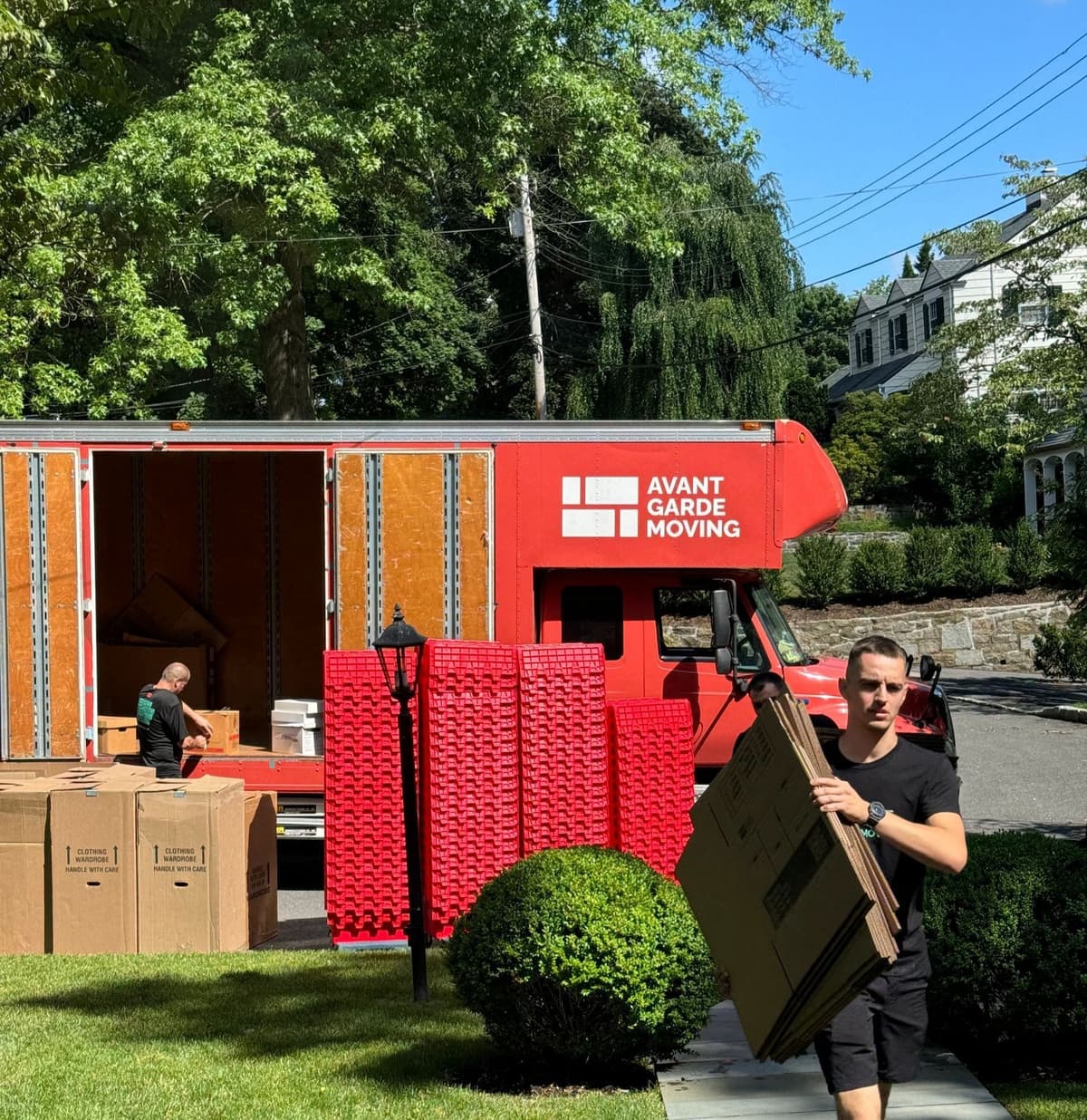
The prewar co-ops around Montague and Pierrepont Street run on strict rules: a certificate of insurance naming the corporation, a reserved service elevator, padded lobbies, and a fixed move window. We handle the paperwork and the scheduling so the board signs off and the super has the entrance ready when we pull up.
Complete Brooklyn Heights Moving Services
Brownstone walk-up or prewar co-op, antiques or an office on Montague, every Brooklyn Heights move gets the same staircase planning and board-ready paperwork.
Residential Moving
Brownstone walk-ups on Hicks Street to prewar co-ops off Montague. Full-service home moves planned around narrow staircases and building rules.
Local moving servicesAntique Moving
Padded, crated, and carefully carried: the antique furniture and heirlooms that fill these historic brownstones, down every tight staircase.
See antique movingFull-Service Packing
We box a whole townhouse with sturdy materials, wrap the fragile heirlooms and mirrors, and unpack at the new place so you settle in quickly.
Our packing serviceLong Distance Moving
Moving out of the neighborhood for good? Interstate relocations from Brooklyn Heights with the same staircase care and coordination you'd get across town.
Long distance movingStorage Solutions
Between a brownstone sale and a co-op closing? Secure, climate-controlled storage for antiques and furniture, with access when you need it.
See storage optionsCommercial Moving
Office and storefront relocations along the Montague Street corridor and the surrounding blocks, scheduled to keep your business running.
Our commercial moversBrooklyn Heights Moving FAQ
Get answers to common questions about moving in Brooklyn Heights from our experienced team.
What makes moving in Brooklyn Heights different from other neighborhoods?
Brooklyn Heights is New York City's first designated historic district, and it moves like it. The housing is mostly 19th-century townhouses and brownstones on Hicks, Henry, and Remsen Street, plus prewar co-ops closer to Montague. That means narrow original staircases, doorways that predate modern furniture, landmark rules that limit what can go on the facade, and co-op boards that want paperwork in order before a single box comes off the truck. We plan around the staircase, the board, and the historic-district access rules from the first phone call.
How is the cost of a Brooklyn Heights move calculated?
The estimate follows the home and how it's reached. A four-story brownstone walk-up on Willow Street with a tight original staircase takes a different plan than a prewar co-op off Montague with an elevator and a reserved service entrance. We weigh the volume of furniture, whether antiques or large case pieces need hoisting or dismantling, the number of flights, the co-op's insurance and time-window requirements, and parking on the narrow blocks. It all lands in one written estimate with nothing hidden.
Can you move through the narrow staircases in a historic Brooklyn Heights townhouse?
Yes, and it's most of what we do here. The 19th-century townhouses on Hicks, Henry, and Remsen Street have steep, narrow original staircases with delicate newel posts and banisters. We pad the rails and walls, dismantle beds, armoires, and sofas that won't clear the turn, and hoist through a window when a piece simply won't make the stairs. Original moldings, plaster, and woodwork are protected before anything moves.
Do you work with Brooklyn Heights co-op boards and handle the COI?
Yes. The prewar co-ops around Montague and Pierrepont Street run tight ships, and most won't allow a move without a certificate of insurance naming the corporation and managing agent, plus a booked time window and elevator padding. We draft the COI to each building's exact requirements, reserve the service elevator and freight window, follow the lobby and hallway protection rules, and keep communication clean with the board and super so move day runs on schedule.
How do you handle parking on Brooklyn Heights' narrow streets?
The tree-lined blocks off Montague, Hicks, and Remsen Street are narrow, and the Promenade side draws steady foot traffic. We scout the block ahead, position the truck where it won't box in the street, carry a shorter shuttle distance to the door when the closest curb is taken, and schedule around the busiest Promenade hours. Our crews work these historic streets routinely and know which corners a truck can actually turn.
Can you move antiques and heirlooms from a Brooklyn Heights home?
Regularly. These brownstones tend to hold generations of antique furniture, artwork, and fragile heirlooms. We custom-crate the delicate pieces, blanket-wrap and corner-protect case goods and mirrors, transport sensitive items with care, and carry full high-value coverage. Anything that has to come down a narrow historic staircase gets padded and planned before it's lifted.
Which parts of Brooklyn Heights do you serve?
The whole historic district: the brownstones on Hicks, Henry, and Remsen Street, the prewar co-ops and shops along Montague, the grand houses toward Pierrepont and Columbia Heights, the Promenade blocks, and the Fruit Streets (Cranberry, Orange, and Pineapple). Each pocket has its own building stock and street quirks, and we know them from working here week in and week out.
When is the best time to schedule a Brooklyn Heights move?
A weekday morning is usually best. The Promenade and Montague Street get crowded on weekends, and the prewar co-ops mostly limit moves to weekday business hours anyway. We reserve the service elevator and time window as early as the building allows, start early while the narrow streets are still clear, and line up the schedule with the super so the entrance and elevator are ready when we arrive.
Ready to Move in Brooklyn Heights? Get Your Free Quote
Tell us your building and move date. We'll plan the staircase, prepare the co-op COI, and handle the narrow-street parking.
